
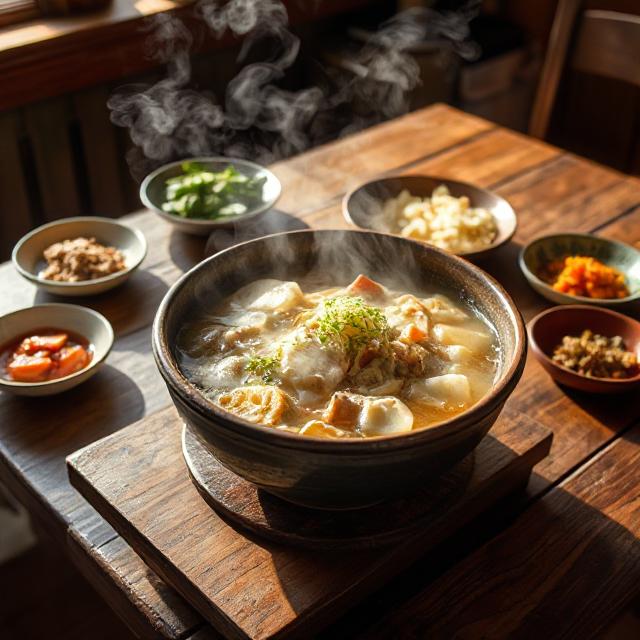
The term gommeok carries deep historical and cultural significance, representing both a traditional delicacy and a meaningful symbol of heritage in many Asian communities. Over the centuries, gommeok has evolved from a simple regional dish into an emblem of craftsmanship, patience, and flavor. It’s more than just food—it’s a cultural experience shaped by generations of knowledge, respect for ingredients, and a commitment to tradition.
In this article, we’ll explore every aspect of gommeok—from its origins and preparation methods to its modern adaptations and global influence. You’ll learn why this unique concept continues to resonate with people who value authenticity, wellness, and the art of slow living.
Historical Origins of gommeok
The story of gommeok begins centuries ago, deeply rooted in the traditions of East Asian cuisine and healing. It was initially developed as a way to make use of every part of an animal, ensuring nothing went to waste. This practice not only reflected resourcefulness but also symbolized respect for nature’s offerings.
The term itself comes from old regional dialects referring to “slowly simmered broth” or “essence extracted through time.” In ancient times, gommeok was considered a food of strength and endurance, often served during festivals, after childbirth, or during times of recovery. Its preparation was an act of devotion—a process that could take hours or even days to perfect.
Families passed down recipes and methods through generations, each adding subtle variations that represented their local culture. Whether enjoyed in a bustling city or a quiet rural village, gommeok symbolized warmth, care, and continuity.
Cultural Significance of gommeok
Beyond being a meal, gommeok has cultural layers that reflect values such as patience, respect, and community. In traditional households, preparing gommeok was often a family event. Grandmothers, mothers, and children would gather around the kitchen, tending the pot together, sharing stories, and passing on knowledge.
In festivals or community feasts, gommeok represented unity. It was a dish that could feed many, emphasizing the importance of togetherness and generosity. In literature and folklore, it was sometimes used metaphorically to describe wisdom gained over time—the idea that, like a well-simmered broth, the best things in life take patience and dedication.
Today, gommeok still holds a place of pride in cultural celebrations and family gatherings. Even as modern lifestyles become busier, the dish reminds people to slow down and appreciate tradition, craftsmanship, and the power of simple ingredients transformed through time.
The Traditional Preparation of gommeok
The art of preparing gommeok requires patience, precision, and a deep understanding of ingredients. Traditionally, it begins with high-quality bones—usually beef or ox—which are cleaned thoroughly and soaked to remove impurities. These bones are then simmered gently for hours, sometimes over a full day, to extract rich collagen, minerals, and flavor.
The slow simmering is key—it’s what gives gommeok its characteristic milky color and velvety texture. Nothing is rushed, and every step serves a purpose. Once the broth reaches perfection, it is strained and seasoned subtly with salt, garlic, green onions, and sometimes sesame oil.
This minimalist seasoning ensures the natural flavor of the broth shines through. The final dish is often served with rice, kimchi, or simple side dishes, making it a comfort meal that nourishes both body and soul.
Each household has its secret touch—some add medicinal herbs, while others include aromatic vegetables to enhance depth. Regardless of variations, the core of gommeok remains the same: a dish born from patience, care, and love.
Nutritional and Health Benefits of gommeok
One of the main reasons gommeok remains popular is its health-promoting properties. Because the broth is made from simmered bones and connective tissue, it’s rich in collagen, amino acids, calcium, and essential minerals. These nutrients support joint health, skin elasticity, and overall vitality.
In traditional medicine, gommeok was considered a restorative food that helped rebuild strength after illness, childbirth, or physical exhaustion. It was believed to warm the body from within, promote circulation, and balance energy.
Modern nutritionists agree that bone-based broths like gommeok offer real benefits. They’re low in calories yet high in nourishment, making them excellent for people seeking to maintain wellness naturally. The slow-cooked process releases gelatin, which supports gut health and digestion, while the minerals help replenish electrolytes.
Thus, gommeok bridges ancient wisdom and modern science, proving that timeless recipes can indeed nurture both body and mind.
gommeok in Modern Cuisine
As culinary trends evolve, chefs around the world have started embracing traditional foods like gommeok and reinterpreting them for contemporary audiences. In upscale restaurants, you might find gommeok-inspired broths served as starters or bases for fusion dishes, paired with truffle, noodles, or seafood.
At the same time, home cooks continue to make traditional gommeok as part of their daily meals, often using modern kitchen tools like pressure cookers to shorten the preparation time. This blend of innovation and heritage demonstrates how adaptable the concept of gommeok truly is.
Moreover, with the global rise of interest in “slow food,” gommeok fits perfectly into modern wellness movements that prioritize mindfulness, sustainability, and wholesome eating. Its emphasis on minimal waste, nutrient density, and natural ingredients aligns with eco-conscious values that define modern dining.
Even vegetarians and vegans have begun creating plant-based versions of gommeok, using mushrooms, seaweed, and root vegetables to mimic the rich umami flavor of traditional bone broth. This shows how the spirit of gommeok—patience, respect for food, and nourishment—transcends its original form.
gommeok and the Art of Slow Living
In a world that moves at lightning speed, gommeok serves as a beautiful metaphor for slowing down. The dish’s preparation demands time, care, and attention—all qualities that modern lifestyles often neglect.
Making gommeok is not just about cooking; it’s about reconnecting with rhythm, patience, and mindfulness. The long simmering process invites reflection and appreciation for simplicity. It reminds us that not everything valuable can be rushed—just like the broth that turns richer the longer it simmers, life’s experiences gain depth through patience.
Many people today are rediscovering traditional practices like gommeok to find calm in their daily routines. Cooking becomes a meditative act, and sharing a warm bowl becomes a way to foster connection in an increasingly digital world.
gommeok in Global Context
The influence of gommeok has crossed borders. In recent years, it’s gained international recognition as part of the growing fascination with East Asian comfort food. Health-conscious eaters in Europe, North America, and the Middle East have embraced bone broth as a superfood, often inspired by traditional recipes like gommeok.
Restaurants around the world now serve versions of it under different names—each paying homage to the original. Culinary enthusiasts attend workshops and classes to learn the authentic techniques, eager to understand the balance between simplicity and complexity that defines the dish.
This global interest highlights how cultural foods like gommeok act as bridges, fostering appreciation for diverse traditions while showing the universal appeal of comfort and nourishment.
gommeok and Sustainability
One of the lesser-discussed but vital aspects of gommeok is its sustainability. The dish originated as a way to use every part of an animal, reducing waste and maximizing nutrition. In modern times, this approach resonates strongly with movements that promote zero waste and ethical cooking.
By using bones, connective tissues, and ingredients that might otherwise be discarded, gommeok exemplifies respect for resources. Its preparation encourages mindful consumption—valuing quality over quantity and sustainability over convenience.
Even in urban kitchens, people are returning to traditional methods like making their own broth rather than buying processed alternatives. In doing so, they’re not only preserving heritage but also contributing to environmental consciousness.
gommeok: Symbol of Family and Memory
Food often serves as a vessel of memory, and gommeok is no exception. For many, the aroma of simmering broth evokes childhood memories—of cold mornings, cozy kitchens, and family gatherings. It’s a dish that connects generations, bridging the past and present through taste and tradition.
Elders often describe gommeok as a food of comfort, something they associate with care and home. In families separated by distance, recreating the recipe abroad becomes a way to stay connected to their roots. Every spoonful carries emotion, reminding people of where they come from and what they value most.
That emotional connection is what keeps gommeok alive across generations. It’s not just the flavor—it’s the shared experience that turns a simple bowl of broth into a story of heritage and love.
gommeok in the Digital Era
In today’s digital age, traditions like gommeok are finding new life online. Food bloggers, cultural historians, and health influencers are sharing recipes, videos, and stories about this dish, introducing it to a global audience.
Social media platforms have made it easier to preserve and spread traditional knowledge. Now, even young people who may have lost touch with their culinary roots can learn the techniques of making gommeok through tutorials and digital communities.
This online revival is not just about food—it’s about cultural continuity. Through virtual spaces, people can rediscover forgotten traditions, share family recipes, and celebrate cultural diversity. In that sense, gommeok is thriving in both the physical and digital worlds.
Modern Variations of gommeok
While the traditional gommeok recipe remains beloved, chefs and home cooks have developed innovative versions to suit contemporary palates. Some infuse the broth with herbs like ginseng, ginger, or lemongrass for added aroma and health benefits. Others incorporate grains, noodles, or vegetables to create heartier meals.
In vegan adaptations, ingredients like miso, kombu, shiitake, and kelp provide deep umami flavors without animal products. These modern takes maintain the dish’s core philosophy—nourishment through time, patience, and care—while expanding its reach to new audiences.
In fine dining, gommeok has inspired soups, sauces, and fusion broths. The fact that it can transform across cuisines speaks to its universality and enduring relevance.
gommeok as a Reflection of Balance
Philosophically, gommeok embodies balance—the harmony between flavor, nutrition, and time. It’s a reminder that life, like cooking, requires equilibrium. Too much heat spoils the broth; too little patience weakens its essence.
In Eastern thought, this concept resonates with ideas of yin and yang—where contrasting elements create harmony. The simmering process mirrors the balance between fire and water, motion and stillness, effort and waiting.
Thus, gommeok becomes more than a dish—it’s a quiet lesson in balance, mindfulness, and appreciation for the natural rhythm of life.
The Economic and Social Role of gommeok
Historically, gommeok also played an economic and social role. In local markets, vendors sold freshly made broth to busy families, contributing to community livelihoods. In restaurants, it became an affordable yet nourishing meal that appealed to all social classes.
Even today, gommeok shops are cherished gathering spots where people share stories, laughter, and comfort. The simplicity of the dish creates an inclusive atmosphere—anyone, regardless of background, can enjoy and relate to it.
This social aspect makes gommeok not only food for the body but also food for the soul. It strengthens social bonds and keeps local culinary traditions alive.
gommeok and the Future of Traditional Cuisine
As globalization continues to shape culinary landscapes, traditional foods like gommeok face both challenges and opportunities. On one hand, fast food culture and convenience threaten the patience and care such dishes require. On the other, the growing awareness of health, authenticity, and sustainability opens new doors for revival.
The future of gommeok will depend on how younger generations choose to embrace it. Many chefs, scholars, and food lovers are already working to document, preserve, and innovate traditional recipes. By teaching these values to future generations, they ensure that gommeok will continue to simmer—not just in pots, but in hearts.
Conclusion
gommeok is far more than a culinary creation—it’s a living symbol of tradition, patience, and nourishment. From its ancient origins to its modern reinventions, it carries lessons about sustainability, mindfulness, and cultural pride.
In a rapidly changing world, gommeok reminds us to slow down, value what we have, and honor where we come from. Whether enjoyed in a humble kitchen or a fine restaurant, its essence remains the same—a celebration of time, care, and connection.
As long as people continue to seek comfort in simplicity and depth in tradition, the timeless legacy of gommeok will endure—warm, flavorful, and full of meaning.