
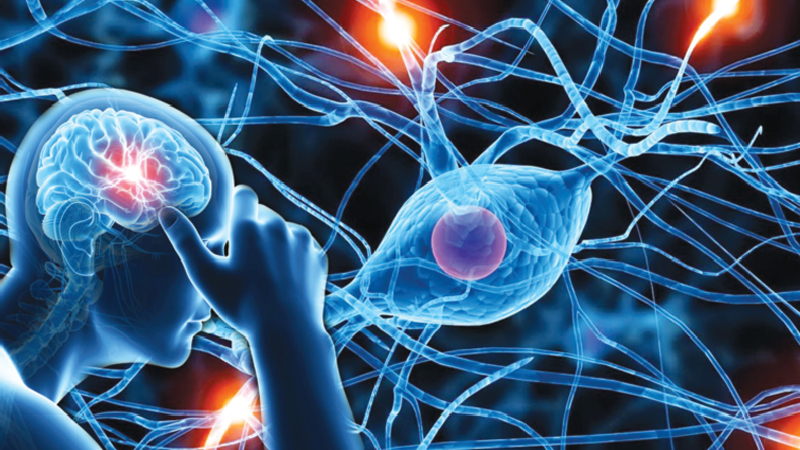
Neurological diseases encompass a broad spectrum of disorders that affect the brain, spinal cord, and peripheral nerves. These conditions can significantly impact an individual’s quality of life, leading to various symptoms ranging from mild discomfort to severe disability. According to a study published in The Lancet, neurological conditions such as migraines, strokes, Parkinson’s disease, and dementia are now the leading cause of ill-health globally, affecting over 3.4 billion people in 2021 (The Guardian).
What Are Neurological Diseases?
Neurological diseases are disorders that affect the nervous system, which includes the brain, spinal cord, and peripheral nerves. These conditions can disrupt normal brain function, leading to symptoms such as headaches, seizures, memory loss, and motor impairments (Cleveland Clinic).
Types of Neurological Disorders
Neurological disorders can be broadly classified into several categories:
- Neurodegenerative Diseases: Conditions like Alzheimer’s disease and Parkinson’s disease that involve the progressive degeneration of nerve cells.
- Cerebrovascular Diseases: Disorders related to blood flow in the brain, such as strokes.
- Infections of the Nervous System: Including meningitis and encephalitis.
- Seizure Disorders: Such as epilepsy.
- Demyelinating Diseases: Including multiple sclerosis, where the protective covering of nerve fibers is damaged.
- Neuromuscular Disorders: Conditions like amyotrophic lateral sclerosis (ALS) that affect the muscles and their direct nervous system control.
- Headaches: Including migraines and tension-type headaches.
Symptoms of Neurological Diseases
The symptoms of neurological diseases vary widely depending on the specific disorder and the part of the nervous system affected. Common symptoms include:
- Headaches: Ranging from mild to severe, often associated with conditions like migraines.
- Seizures: Sudden, uncontrolled electrical disturbances in the brain.
- Memory Loss: Difficulty recalling information, which can be indicative of conditions like Alzheimer’s disease.
- Motor Impairments: Weakness, tremors, or coordination problems, often seen in Parkinson’s disease.
- Sensory Changes: Numbness, tingling, or loss of sensation.
- Cognitive Changes: Problems with thinking, reasoning, or decision-making.
- Mood Disorders: Depression, anxiety, or personality changes.
Causes and Risk Factors
The exact cause of many neurological diseases remains unknown, but several factors are believed to contribute:
- Genetic Factors: Inherited mutations can predispose individuals to certain neurological disorders.
- Environmental Factors: Exposure to toxins, infections, or trauma can increase the risk.
- Age: Many neurological diseases are more common in older adults.
- Lifestyle Factors: Poor diet, lack of exercise, and smoking can contribute to the development of neurological conditions.
- Chronic Diseases: Conditions like diabetes and hypertension can increase the risk of neurological disorders.
Diagnosis of Neurological Diseases
Diagnosing neurological diseases involves a comprehensive approach:
- Medical History and Physical Examination: Assessing symptoms and family history.
- Neurological Examination: Testing reflexes, muscle strength, and coordination.
- Imaging Studies: MRI and CT scans to visualize brain structures.
- Electrodiagnostic Tests: Electroencephalogram (EEG) for brain activity, electromyography (EMG) for muscle activity.
- Laboratory Tests: Blood tests to check for infections or metabolic disorders.
Treatment Options
Treatment for neurological diseases varies based on the specific condition:
- Medications: To manage symptoms or slow disease progression.
- Surgical Interventions: In cases like brain tumors or certain vascular conditions.
- Physical Therapy: To improve mobility and strength.
- Occupational Therapy: To assist with daily activities.
- Speech Therapy: For communication and swallowing difficulties.
- Lifestyle Modifications: Dietary changes, exercise, and stress management.
doctorhub360.com Neurological Diseases: Comprehensive Guide
Neurological diseases are among the most complex and challenging medical conditions worldwide. They affect the nervous system, which comprises the brain, spinal cord, and peripheral nerves. These disorders can manifest in a variety of symptoms, ranging from mild discomfort such as headaches to severe impairments like paralysis or cognitive dysfunction. The rising prevalence of neurological diseases has made it crucial for individuals to have access to reliable resources for understanding, managing, and preventing these conditions. Platforms like doctorhub360.com neurological diseases provide invaluable insights into these disorders, helping patients, caregivers, and medical professionals stay informed.
Understanding Neurological Diseases
Neurological diseases refer to any condition that affects the nervous system. The nervous system is responsible for sending, receiving, and processing signals throughout the body. When this system is disrupted due to disease or injury, it can affect multiple bodily functions, including movement, cognition, sensation, and coordination.
These disorders can be acute, such as stroke, or chronic, such as Parkinson’s disease. In some cases, neurological conditions are progressive, meaning they worsen over time, as seen in Alzheimer’s disease or multiple sclerosis. Others may be sudden and temporary, caused by infections or trauma. Recognizing and diagnosing neurological diseases early is essential to prevent long-term complications.
doctorhub360.com neurological diseases offers detailed information on the types of neurological disorders, helping users differentiate between conditions and understand their impact on health. The platform provides resources on symptoms, risk factors, and available treatments, making it a valuable guide for those affected by these conditions.
Common Types of Neurological Diseases
Neurological disorders can be broadly classified into several categories, each affecting the nervous system differently:
- Neurodegenerative Diseases: These involve the progressive degeneration of nerve cells. Conditions such as Alzheimer’s disease, Parkinson’s disease, and Huntington’s disease fall into this category. Patients often experience memory loss, motor dysfunction, and cognitive decline.
- Cerebrovascular Disorders: These are diseases related to blood flow in the brain. Stroke, aneurysms, and transient ischemic attacks (TIAs) are examples. Cerebrovascular conditions can cause sudden neurological deficits, including paralysis, speech difficulties, or vision problems.
- Epilepsy and Seizure Disorders: Characterized by recurrent seizures, these disorders occur due to abnormal electrical activity in the brain. Seizures can range from brief lapses in awareness to severe convulsions.
- Demyelinating Diseases: Multiple sclerosis is the most common demyelinating disease. It involves damage to the myelin sheath, which protects nerve fibers. This results in slowed nerve signals, leading to motor and sensory impairments.
- Neuromuscular Disorders: Conditions like amyotrophic lateral sclerosis (ALS) affect the nerves controlling voluntary muscles. Patients may experience weakness, difficulty speaking, or loss of mobility.
- Infections of the Nervous System: Meningitis, encephalitis, and other infections can severely affect the brain and spinal cord, causing inflammation, fever, headaches, and in some cases, long-term neurological damage.
By providing clear explanations of each type, doctorhub360.com neurological diseases allows patients and caregivers to understand the range of disorders affecting the nervous system.
Symptoms of Neurological Disorders
The symptoms of neurological diseases can vary widely depending on the disorder, affected region, and severity. Recognizing these symptoms early is critical for diagnosis and treatment.
- Cognitive Symptoms: Memory loss, confusion, difficulty concentrating, and impaired decision-making are common in disorders such as Alzheimer’s disease and other dementias.
- Motor Symptoms: Tremors, muscle weakness, rigidity, and impaired coordination often occur in Parkinson’s disease, multiple sclerosis, or stroke survivors.
- Sensory Symptoms: Numbness, tingling, pain, or loss of sensation can indicate nerve damage or neuropathic conditions.
- Seizures: Sudden, uncontrolled electrical disturbances in the brain can result in convulsions, loss of consciousness, or abnormal behaviors.
- Headaches and Migraines: Persistent or severe headaches may be a sign of underlying neurological disorders such as brain tumors, vascular conditions, or infections.
- Mood and Behavioral Changes: Depression, anxiety, personality changes, or emotional instability may accompany certain neurological diseases.
Resources like doctorhub360.com neurological diseases provide comprehensive guides to help users identify early warning signs and seek timely medical attention.
Causes and Risk Factors
Neurological diseases can arise from a combination of genetic, environmental, and lifestyle factors. Understanding these causes can help in prevention and early detection.
- Genetic Factors: Some disorders, like Huntington’s disease, are inherited. Mutations in specific genes can increase susceptibility to certain conditions.
- Age: Many neurological diseases, including Alzheimer’s and Parkinson’s, are more prevalent in older adults.
- Environmental Factors: Exposure to toxins, chemicals, or infectious agents can contribute to neurological damage. Head injuries and trauma also increase risk.
- Lifestyle Choices: Poor diet, lack of exercise, smoking, and excessive alcohol consumption are linked to cerebrovascular diseases and other neurological conditions.
- Chronic Medical Conditions: Diabetes, hypertension, and high cholesterol can damage blood vessels, increasing the risk of strokes and other cerebrovascular disorders.
By highlighting these causes and risk factors, doctorhub360.com neurological diseases educates users on preventive measures and lifestyle modifications that can lower the risk of neurological conditions.
Diagnostic Approaches
Diagnosing neurological diseases requires a comprehensive and systematic approach. Healthcare providers often employ multiple tools to identify the underlying condition.
- Medical History and Physical Examination: A thorough assessment of symptoms, family history, and medical background helps guide diagnosis.
- Neurological Examination: Evaluates reflexes, muscle strength, coordination, sensory perception, and cognitive functions.
- Imaging Studies: MRI and CT scans provide detailed images of brain and spinal cord structures, revealing tumors, lesions, or vascular abnormalities.
- Electrodiagnostic Tests: EEG (electroencephalogram) measures electrical activity in the brain, while EMG (electromyography) assesses muscle activity and nerve function.
- Laboratory Tests: Blood and cerebrospinal fluid tests can detect infections, inflammation, or metabolic disorders affecting the nervous system.
Platforms like doctorhub360.com neurological diseases explain these diagnostic tools in a patient-friendly manner, helping individuals understand what to expect during medical evaluations.
Treatment and Management
Treatment for neurological diseases depends on the specific disorder, severity, and individual patient needs. Options include:
- Medications: Used to manage symptoms, slow disease progression, or prevent complications. Examples include anticonvulsants for epilepsy and dopamine agonists for Parkinson’s disease.
- Surgical Interventions: Brain or spinal surgeries may be necessary for tumors, aneurysms, or severe nerve compression.
- Physical Therapy: Improves strength, balance, and mobility, particularly in conditions like stroke or multiple sclerosis.
- Occupational Therapy: Helps patients maintain independence by teaching adaptive techniques for daily activities.
- Speech Therapy: Assists individuals with communication difficulties caused by neurological impairments.
- Lifestyle Modifications: Diet, exercise, stress management, and avoidance of harmful substances support overall neurological health.
doctorhub360.com neurological diseases provides guidance on these treatments, emphasizing the importance of individualized care plans and ongoing monitoring.
Preventive Strategies
While not all neurological diseases are preventable, proactive measures can reduce risk and improve quality of life.
- Regular Exercise: Enhances blood flow to the brain, supporting cognitive function.
- Balanced Diet: Foods rich in antioxidants, omega-3 fatty acids, and essential vitamins promote nerve health.
- Avoid Toxins: Limiting alcohol, quitting smoking, and minimizing exposure to environmental toxins protects the nervous system.
- Routine Health Check-ups: Monitoring blood pressure, blood sugar, and cholesterol can prevent cerebrovascular diseases.
- Mental Stimulation: Reading, puzzles, and learning new skills keep the brain active.
- Social Engagement: Maintaining social connections supports emotional well-being and cognitive health.
Through its comprehensive content, doctorhub360.com neurological diseases emphasizes prevention as a key component of managing neurological health.
Support and Resources
Living with a neurological disease can be challenging for both patients and caregivers. Support networks, educational resources, and professional guidance are critical.
doctorhub360.com neurological diseases offers detailed articles, expert advice, and resources for coping with neurological conditions. From information on medication management to tips for rehabilitation and daily living adaptations, the platform empowers users to make informed decisions and maintain a higher quality of life.
Prevention and Management
While not all neurological diseases are preventable, certain strategies can reduce the risk:
- Regular Exercise: Maintains cardiovascular health and brain function.
- Healthy Diet: Rich in antioxidants and low in saturated fats.
- Avoiding Toxins: Limiting exposure to harmful substances.
- Regular Check-ups: Monitoring blood pressure, cholesterol, and glucose levels.
- Mental Stimulation: Engaging in activities that challenge the brain.
- Social Engagement: Maintaining strong social connections.
doctorhub360.com Neurological Diseases: A Resource for Information
doctorhub360.com is an online platform dedicated to providing comprehensive information on various health topics, including neurological diseases. The website offers resources on symptoms, diagnosis, treatment options, and preventive measures for a wide range of neurological disorders. By visiting doctorhub360.com neurological diseases, individuals can access valuable information to better understand these conditions and make informed decisions about their health.
Conclusion
Neurological diseases represent a significant global health challenge, affecting millions of individuals worldwide. With the increasing prevalence of conditions like Alzheimer’s disease, stroke, and Parkinson’s disease, it is crucial to raise awareness, improve diagnostic methods, and develop effective treatments. Platforms like doctorhub360.com neurological diseases play an essential role in disseminating knowledge and supporting individuals in managing these complex conditions.
For more detailed information and resources on neurological diseases, visit doctorhub360.com neurological diseases.