
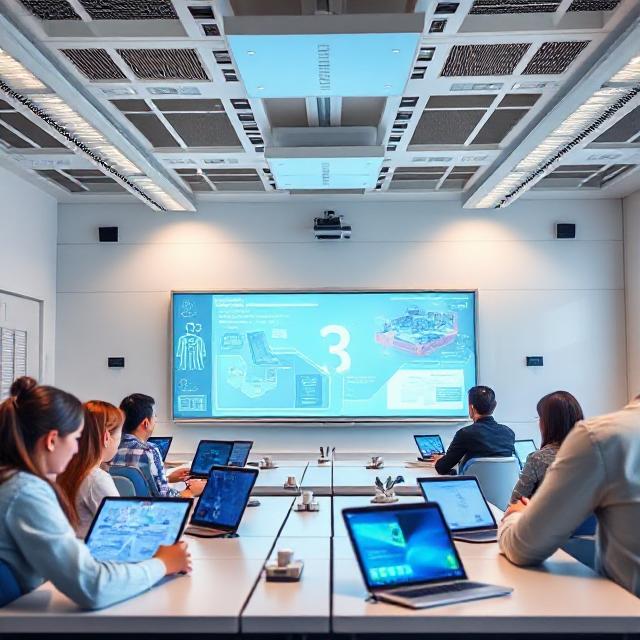
Introduction to classroom 30x
Education has undergone tremendous transformations over the past few decades, moving from chalkboards and textbooks to smartboards and digital learning platforms. Among these innovations, classroom 30x has emerged as a groundbreaking concept that symbolizes the evolution of education into a more connected, interactive, and personalized experience. The term represents a vision of a futuristic classroom environment where students and teachers collaborate through technology, creativity, and data-driven learning tools. In essence, classroom 30x aims to redefine how students engage with information and how teachers deliver lessons in an ever-evolving digital world.
The traditional classroom model, once centered on one-way instruction, is being replaced by flexible, technology-driven systems that promote engagement, inclusivity, and adaptability. With classroom 30x, learning becomes a dynamic experience—students explore content through augmented reality, artificial intelligence, and real-time collaboration tools. It’s not just a shift in tools, but a fundamental change in how education operates and prepares students for the challenges of the 21st century.
The Concept Behind classroom 30x
To understand classroom 30x, one must first grasp its conceptual foundation. It’s built on the principle that learning should be immersive, personalized, and collaborative. This idea recognizes that every student learns differently and that modern education must cater to these diverse needs using digital resources and intelligent systems.
In classroom 30x, technology acts as a bridge rather than a barrier. Teachers utilize smart devices, AI-driven analytics, and cloud-based applications to design lessons tailored to each student’s learning pace and style. Instead of being confined to textbooks, students access multimedia resources, simulations, and interactive exercises that enhance comprehension and retention.
The “30x” symbolizes a leap forward—thirty times more engagement, interactivity, and innovation compared to traditional models. It captures the essence of exponential progress in the field of education, where every element of learning—assessment, instruction, and feedback—is enhanced through digital transformation.
The Evolution from Traditional Classrooms to classroom 30x
For decades, classrooms relied on face-to-face interaction, blackboards, and printed materials. While this system served many generations, it often struggled to address individual differences and adapt to rapid technological advancements. The introduction of computers, projectors, and internet access marked the beginning of the digital education era. However, these tools only scratched the surface of what technology could achieve.
Classroom 30x takes this evolution further. It integrates multiple layers of technology—artificial intelligence, augmented reality, virtual reality, and data analytics—into a cohesive learning ecosystem. The result is an environment where students can explore topics beyond the textbook, simulate experiments virtually, and collaborate globally without leaving their classroom.
For example, in a classroom 30x setting, a history lesson might involve an immersive VR tour of ancient civilizations, allowing students to experience events rather than just read about them. In science classes, AI-powered platforms can monitor student progress and suggest personalized exercises. This shift from passive learning to active participation marks a revolutionary step toward the future of education.
Key Features of classroom 30x
The strength of classroom 30x lies in its integrated features that support both teaching and learning. Some of its most defining characteristics include:
- AI-Driven Personalization: Artificial intelligence analyzes student performance data and suggests custom learning paths. This ensures that every learner receives the right amount of challenge and support.
- Virtual and Augmented Reality Tools: Lessons come alive through immersive simulations, enabling students to visualize abstract concepts and practice real-world applications.
- Cloud-Based Collaboration: All course materials, assignments, and discussions occur on cloud platforms, allowing students and teachers to access resources anytime, anywhere.
- Data Analytics for Educators: Teachers gain insights into student engagement, progress, and areas that need improvement through real-time dashboards.
- Gamified Learning: Interactive quizzes, challenges, and reward systems make learning enjoyable and foster healthy competition.
- Inclusive Learning: Tools like speech-to-text, translation features, and adjustable difficulty levels make education more accessible for diverse learners.
- Sustainability and Paperless Approach: Classroom 30x encourages digital submission and online feedback, reducing environmental impact and simplifying workflows.
Together, these elements create a holistic system that enhances the quality and accessibility of education.
The Role of Technology in classroom 30x
Technology is at the heart of classroom 30x. It not only enhances teaching but also redefines the relationship between teachers, students, and knowledge. Smartboards, interactive whiteboards, and touchscreen devices facilitate dynamic presentations and instant feedback. AI-driven assessment tools automatically grade quizzes and identify learning gaps, freeing teachers to focus on mentoring and creativity.
Moreover, the integration of VR and AR enables experiential learning. For instance, medical students can practice virtual surgeries, engineering students can simulate machinery operations, and art students can explore 3D galleries—all within classroom 30x. This multi-sensory approach fosters deeper understanding and retention of information.
Additionally, cloud computing ensures that all resources remain synchronized. Students can start an assignment in school, continue it at home, and collaborate with peers in real-time. The entire ecosystem functions seamlessly across devices, making learning continuous and borderless.
Benefits of Implementing classroom 30x
The adoption of classroom 30x brings numerous advantages that extend beyond academics. These include:
- Enhanced Student Engagement: Interactive tools and digital collaboration make lessons more captivating, reducing boredom and distraction.
- Personalized Learning: Students receive individualized feedback and resources based on their learning styles and progress.
- Improved Collaboration: Group projects become easier through shared digital spaces, encouraging teamwork and communication.
- Skill Development: Classroom 30x helps students build critical thinking, digital literacy, and problem-solving skills essential for modern careers.
- Teacher Efficiency: Educators save time through automated grading, data tracking, and smart lesson planning tools.
- Global Connectivity: Learners can connect with peers and experts from around the world, promoting cultural exchange and diverse perspectives.
- Sustainability: Reduced paper usage and remote accessibility contribute to eco-friendly education.
These benefits make classroom 30x not just an upgrade, but a necessity for preparing students for the future.
Challenges in Adopting classroom 30x
While the concept of classroom 30x is inspiring, it also presents challenges. Implementing such a system requires substantial investment in technology, training, and infrastructure. Many schools, especially in developing regions, face issues like limited internet access, outdated hardware, and lack of technical support.
Teachers must also adapt to new teaching methodologies. Not all educators are comfortable with digital tools, and some may resist change due to fear of technology replacing human connection. Moreover, ensuring cybersecurity and protecting student data are vital concerns in a digital learning environment.
Another significant challenge is maintaining equality. Schools in low-income areas may struggle to access the same level of technological advancement, potentially widening the educational divide. Addressing these challenges requires collaborative efforts from governments, institutions, and private organizations.
classroom 30x and the Role of Teachers
In classroom 30x, the role of the teacher transforms from information provider to learning facilitator. Instead of simply delivering lectures, teachers curate content, guide exploration, and nurture creativity. Technology doesn’t replace educators—it empowers them.
Teachers use AI-powered analytics to understand each student’s strengths and weaknesses. This allows them to design targeted lessons and interventions. For instance, if a student struggles with math concepts, the system might suggest visual aids or interactive exercises to enhance understanding.
Furthermore, teachers in classroom 30x focus on developing critical thinking, problem-solving, and collaboration—skills that machines cannot teach. By blending technology with human empathy and mentorship, they create a balanced and effective learning experience.
classroom 30x and Student Experience
From a student’s perspective, classroom 30x offers an engaging, flexible, and empowering learning journey. The environment encourages self-directed learning, allowing students to take ownership of their education. Instead of memorizing information, they apply knowledge through projects, simulations, and discussions.
Students in classroom 30x benefit from constant feedback and support. Real-time performance tracking ensures they understand concepts before moving to the next topic. Interactive assessments and gamified quizzes transform learning into an enjoyable process rather than a chore.
Moreover, collaboration with peers across different locations broadens students’ horizons. They learn to appreciate cultural diversity, communicate effectively, and work as part of a global team—skills that are increasingly valuable in today’s interconnected world.
classroom 30x and the Future of Education
The introduction of classroom 30x represents more than just technological innovation; it marks a philosophical shift in how society views education. As the world moves toward automation and artificial intelligence, the demand for creative, analytical, and adaptable thinkers grows. Classroom 30x prepares students for this reality by integrating real-world problem-solving into the curriculum.
In the near future, we may see fully immersive classrooms powered by virtual reality, where students from different countries learn together in simulated environments. AI tutors will assist teachers in designing lessons, and data analytics will ensure every student reaches their full potential. The boundaries between school, home, and the digital world will continue to blur, creating a truly global learning experience.
classroom 30x in Real-World Applications
Some educational institutions have already started implementing the principles of classroom 30x. Universities and schools worldwide are using AI-powered platforms like Google Classroom, Microsoft Teams for Education, and Canvas LMS to foster digital learning. Augmented reality tools are being integrated into STEM education to simplify complex scientific concepts.
In developing countries, mobile learning initiatives reflect the essence of classroom 30x by providing digital access to quality education. Governments are investing in smart classrooms equipped with tablets, high-speed internet, and e-learning content. The model’s adaptability allows it to fit both high-tech environments and resource-limited contexts, as long as there’s a commitment to innovation.
classroom 30x: Transforming Education Globally
The global adoption of classroom 30x could bridge educational gaps across continents. It promotes inclusivity by offering equal access to digital resources and expert knowledge. Through online collaboration platforms, students from rural areas can learn from global educators and participate in international projects.
This global perspective encourages unity and understanding among diverse communities. It also ensures that every student—regardless of background—has the tools needed to succeed in the digital age. By democratizing access to information, classroom 30x helps create a more equitable and knowledgeable world.
The Future Vision of classroom 30x
Looking ahead, classroom 30x will continue to evolve as technology advances. Artificial intelligence will become even more intuitive, predicting student needs and personalizing content automatically. Virtual reality classrooms may become the norm, allowing learners to explore historical events, scientific phenomena, and creative arts firsthand.
Moreover, the integration of blockchain technology could revolutionize how credentials are stored and verified. Students’ achievements and progress could be securely recorded and instantly accessible worldwide. This would make education more transparent, efficient, and universally recognized.
Ultimately, classroom 30x envisions a future where learning is lifelong, borderless, and deeply connected to real-world challenges. It is not confined to a physical space but exists wherever curiosity thrives.
Conclusion
Classroom 30x is not just an idea—it’s a movement redefining the future of education. It combines the power of technology with the human touch of teaching, ensuring that learning remains engaging, inclusive, and effective. As schools and institutions embrace this transformation, students gain the skills, creativity, and adaptability required to thrive in the modern world.
By integrating advanced tools like AI, VR, and cloud computing, classroom 30x turns education into an interactive experience rather than a routine task. Though challenges exist, the long-term benefits far outweigh them. With the right infrastructure, training, and vision, classroom 30x could become the global standard for quality education.
In the end, classroom 30x represents more than technological innovation—it embodies a new philosophy of learning. One that prepares not just students for exams, but individuals for life, equipping them to lead, innovate, and make a difference in an increasingly digital and interconnected world.