
Introduction
The name joel michael singer gained massive attention on the internet due to a viral video that stirred countless debates about privacy, ethics, and behavior in public settings. While some people became fascinated by the incident itself, others questioned the consequences of viral exposure and the ways social media can transform an ordinary person into a widely discussed figure overnight. This article explores who joel michael singer is, the viral incident that brought him unwanted fame, the public’s reaction, and the broader implications of online virality.
The story of joel michael singer stands as a powerful example of how a few minutes of footage can change the trajectory of a person’s life forever. It also highlights how the internet culture of sharing and commenting can blur the lines between personal accountability and digital harassment.
Who is joel michael singer?
Before the viral incident, joel michael singer was not a public figure. Reports indicate that he was a private individual living in Florida with a professional background, but little verified information was available about his personal life. After the viral video surfaced, his name became synonymous with one of the most talked-about viral altercations captured on camera.
Many viewers were curious about his occupation, education, and family life, but details remained scarce. Unlike celebrities or influencers, joel michael singer did not actively seek public attention. His identity became famous primarily because of a moment that went viral without his consent or preparation.
What makes his story particularly interesting is the way in which the public’s curiosity filled the gaps with speculation. Some people went to great lengths to uncover who he was, while others focused on the ethical question of whether sharing such videos without context or consent is ever justified.
The Viral Incident Involving joel michael singer
The video featuring joel michael singer spread quickly across social media platforms like Reddit, Twitter, and YouTube. In the clip, Singer was seen involved in a heated altercation that quickly escalated. Witnesses recorded the event, and the footage showed tensions rising in what appeared to be a public setting, possibly a restaurant or similar venue.
In the video, he was restrained by bystanders after allegedly behaving aggressively, which resulted in a physical scuffle. Within hours, the clip began circulating widely, accumulating millions of views. People began tagging his name, searching for more information, and sharing their opinions about what had transpired.
While the video’s virality made joel michael singer an internet sensation, it also caused severe personal consequences. The rapid spread of the footage meant that his name was attached to headlines, memes, and discussion threads all over the web.
The incident became a case study in how quickly private conflicts can be transformed into public spectacles in the age of smartphones and instant sharing.
The Role of Social Media in the joel michael singer Case
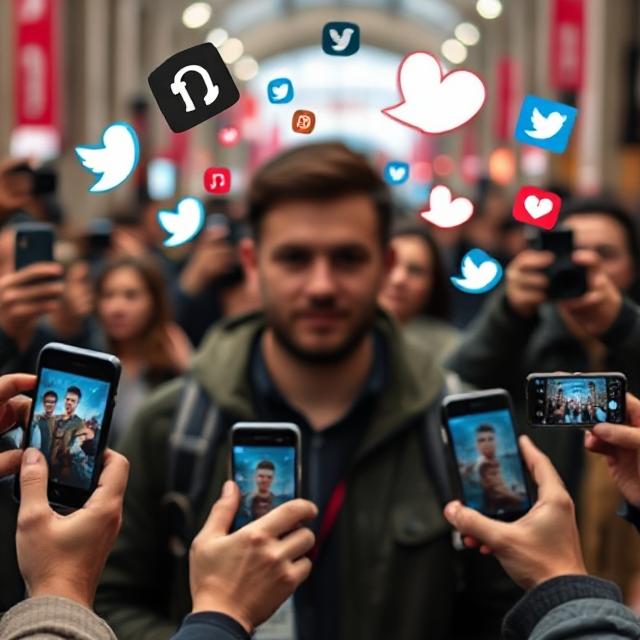
The spread of the joel michael singer video highlights the immense power of social media in shaping narratives. Once the clip was uploaded, it spread uncontrollably, with thousands of users reposting and commenting on it.
Social platforms thrive on sensational content, and the clip’s combination of drama, emotion, and confrontation made it an ideal candidate for virality. Memes, reaction videos, and online discussions further amplified the exposure.
This event underscores a larger question about accountability in the digital age. Who controls the narrative when someone’s private conflict becomes a trending topic? While some viewers justified sharing the clip as a form of public awareness, others criticized the act as a violation of privacy.
For joel michael singer, the digital echo chamber became both a source of notoriety and public scrutiny. Even years later, people continue to search for updates, wondering about his life after the incident.
The Consequences of Going Viral
For most people, virality seems exciting—until it happens to them. The joel michael singer story is a clear example of how viral fame can turn toxic. Once the video became widespread, it was nearly impossible for him to regain privacy.
The internet’s memory is long and unforgiving. Even after the initial wave of attention faded, the video remained accessible through multiple reposts and downloads. Anyone searching his name would find the footage, making it difficult to move on personally or professionally.
Reports suggest that joel michael singer faced severe emotional stress due to the exposure. The constant online commentary and personal attacks can take a toll on mental health, particularly when strangers feel entitled to pass judgment without knowing the full story.
This case illustrates how quickly the internet can shift from entertainment to harassment. It also reminds us that every viral story involves a real person with feelings, family, and consequences that extend far beyond the screen.
Legal and Ethical Questions Raised
The virality of joel michael singer also raises important legal and ethical questions. Recording someone in public may not always require consent, but sharing and monetizing the footage can cross moral and legal lines.
There are arguments that the person being recorded has a right to privacy, especially if the video damages their reputation. On the other hand, some believe that public behavior is fair game for public discussion.
This debate is central to the conversation surrounding joel michael singer’s video. It sparked discussions among legal experts, ethicists, and internet users about where the boundaries should be drawn. Should platforms remove such content on request? Should viewers be more cautious about what they share?
In the case of joel michael singer, the lack of context made it even more complicated. Without knowing the full story, people formed opinions based on a few minutes of footage. This shows how easily the internet can distort reality, making judgment swift and permanent.
The Power and Pitfalls of Internet Fame
Becoming famous online used to require effort, but now it can happen accidentally. The joel michael singer incident is one of many cases where ordinary people became internet-famous overnight.
While some individuals use viral fame to launch careers or build audiences, others—like Singer—find it deeply distressing. Sudden visibility comes with scrutiny, criticism, and unwanted attention from strangers worldwide.
The internet rewards engagement, not empathy. Algorithms prioritize content that provokes reactions, meaning that controversial or emotional videos spread faster. This reality turns private moments into public entertainment at lightning speed.
In Singer’s case, his image became part of a larger narrative about anger, conflict, and public accountability, even if he never chose to participate in that narrative.
Public Reaction to the joel michael singer Incident
The reactions to joel michael singer were polarized. Some viewers condemned his behavior as shown in the video, while others criticized the people who filmed and shared the incident.
Online forums filled with discussions dissecting every second of the footage. Memes and parodies appeared almost immediately, treating the event humorously rather than seriously. Meanwhile, a smaller group of internet users called for empathy, reminding others that everyone makes mistakes and deserves privacy.
This reaction showcases the dual nature of the internet: it can amplify voices of judgment but also spark meaningful conversations about digital ethics.
The case of joel michael singer became a mirror reflecting how modern society consumes and reacts to viral content. It revealed how fast people can jump to conclusions, often without evidence or understanding.
Life After the Viral Moment
After the storm of attention, joel michael singer reportedly tried to distance himself from public life. Efforts were made to remove the video from major platforms, but complete erasure proved impossible. Once something goes viral, it becomes nearly immortal online.
There have been rumors about his professional challenges following the incident, though verified details remain limited. The experience likely forced him to navigate privacy concerns and reputation management in ways most people never have to face.
This phase of his life highlights the lasting impact of viral exposure. Even years later, searches for his name continue to bring up discussions about the video. It’s a reminder that the internet does not easily forgive or forget.
Lessons Learned from the joel michael singer Story
The story of joel michael singer carries lessons for everyone—content creators, internet users, and society as a whole.
- Think before sharing: Every viral clip features real people. Sharing content without understanding context can amplify harm.
- Digital permanence: Once uploaded, content can be copied indefinitely. Even deleting a post won’t erase its impact.
- Empathy matters: It’s easy to judge from behind a screen, but empathy helps maintain a sense of humanity online.
- Know your rights: Understanding privacy and recording laws is crucial, especially in an era where everyone has a camera.
- Online reputation management: For those caught in viral moments, legal and digital strategies can help mitigate long-term damage.
The joel michael singer incident should serve as a cautionary tale about the potential dangers of online exposure and the need for responsible digital behavior.
Broader Cultural Impact of Viral Videos
Beyond one individual, the story of joel michael singer reflects a broader cultural trend. Viral videos have redefined accountability and public perception. Incidents that once remained private now become internet-wide discussions within hours.
This shift changes how people behave in public. Knowing that any moment could be recorded and shared globally adds pressure and fear. At the same time, viral footage can bring attention to real issues, such as abuse or injustice.
The challenge lies in distinguishing between exposing wrongdoing and exploiting embarrassment. The Singer case occupies that gray area, forcing society to question its relationship with viral content and the consequences that come with it.
Media Responsibility and Public Perception
News outlets also played a role in spreading the joel michael singer story. Once social media picked it up, digital media platforms amplified it for clicks and traffic. Headlines and thumbnails often sensationalized the event, focusing more on the drama than the facts.
This pattern highlights a recurring issue: media organizations sometimes prioritize virality over accuracy. Sensational coverage can fuel misinformation, exaggerate conflicts, and damage reputations.
In such cases, responsible journalism should prioritize verification, context, and empathy. Unfortunately, once a story goes viral, balanced coverage often arrives too late to repair the harm.
Understanding the Human Side of the Story
At its core, the story of joel michael singer is about humanity in a digital age. Everyone makes mistakes, but the internet’s tendency to immortalize those mistakes can strip away a person’s dignity and opportunities for redemption.
It’s easy to see viral figures as characters rather than human beings. But behind every meme or clip is someone dealing with the consequences in real life—emotional distress, social isolation, and long-term reputation damage.
Remembering the human side encourages compassion. Instead of adding to the pile of mockery or gossip, society should work toward building healthier digital cultures.
Privacy and Consent in the Digital Era
The joel michael singer incident also reignited discussions about consent. Should individuals have more control over how images or videos of them are shared online? Many argue yes, calling for stronger privacy laws that address digital recording and sharing.
Technology has outpaced regulation. Smartphones and social platforms give everyone the power to publish instantly, but the legal frameworks governing such acts remain outdated.
As society adapts, policymakers must balance freedom of expression with protection from digital exploitation. The Singer story underscores the urgency of addressing these gaps.
The Ongoing Legacy of joel michael singer
Years after the original video, joel michael singer remains a symbol of how unpredictable internet fame can be. His name still circulates in online discussions as an example of the double-edged sword of virality.
His story continues to appear in conversations about digital ethics, privacy laws, and public shaming. Despite efforts to move beyond the incident, his identity became permanently tied to that viral moment.
This lasting association is both a cautionary tale and a reminder of how powerful—and unforgiving—the internet can be.
Reflections on Modern Digital Behavior
Modern digital culture thrives on immediacy. People record first and think later. The joel michael singer case asks a simple but profound question: What responsibility do we bear when we share or comment on someone else’s pain or conflict?
Every share, like, or comment adds to the narrative. In a world where attention equals currency, ethical reflection often comes second. By slowing down and thinking critically, society can reduce the harm caused by online mob reactions.
Singer’s story invites reflection on empathy, accountability, and restraint in the digital age.
Conclusion
The saga of joel michael singer is more than just a viral video; it’s a reflection of modern society’s relationship with technology, privacy, and public judgment. His experience shows how easily an ordinary person’s life can be turned upside down by the power of social media.
From the moment the video was uploaded, the world witnessed not only his actions but also the collective behavior of millions of online spectators. The lessons from this case are timeless: think before sharing, respect privacy, and remember the humanity behind every screen.
As the internet continues to evolve, stories like that of joel michael singer remind us that empathy and ethics should guide our online interactions. In a digital world obsessed with virality, understanding the real-world consequences of our actions is more important than ever.